
A new roof is not fully handed over when the last panel is installed. The property team also needs to know what was supplied, where the documents are kept, who to contact, and how future work around the roof should be managed. Those details make ownership easier long after the installer leaves.
For 20 years, Supply Scout has served the specialty building materials industry, with our products used in thousands of completed projects. That experience makes handover part of the material conversation: useful advice should help the people who operate the property as well as the people who build it.
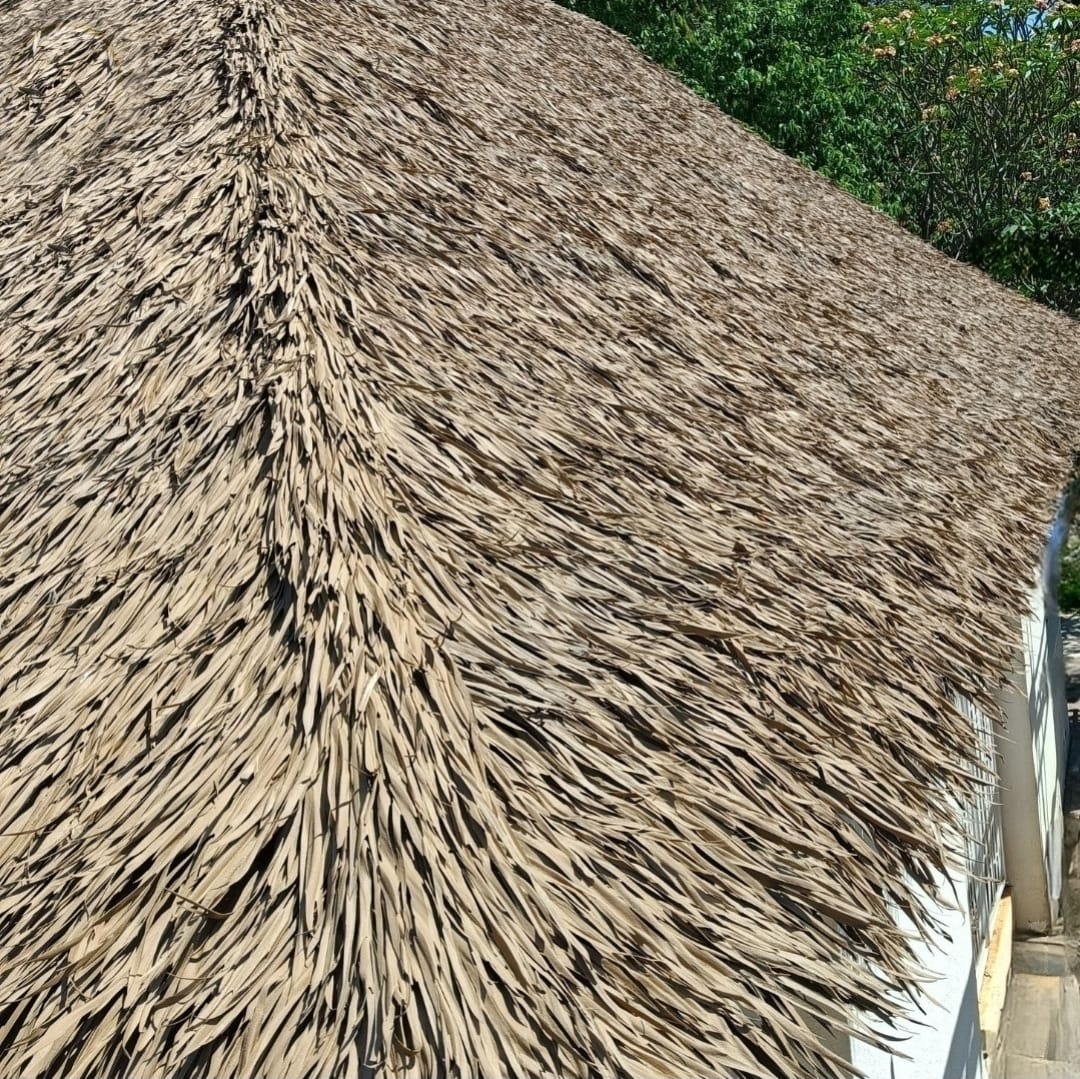
If you are specifying NIPA synthetic thatch, agree on a care and recordkeeping plan before completion. Use the current instructions for the exact supplied product as the starting point rather than borrowing a cleaning routine from another roof material.
Keep the product record easy to find
Create one roof file that includes the order, product identification, approved drawings, installation instructions, and applicable warranty. Add the installer’s contact details and photographs of the finished work. For a property with several structures, label each roof so future questions can be tied to a specific location.
Record changes made during construction. A revised support arrangement, an added penetration, or a different transition detail should appear in the final information rather than remain only in a contractor’s message history.
Keep the file somewhere the facilities team can access. A complete set of documents is of limited use if it disappears with a staff change or remains in an individual’s inbox. Name the person responsible for maintaining the record.
Request product-specific care guidance
Ask for written guidance covering inspection, cleaning, approved methods, and any restrictions. Confirm whether the guidance applies to the thatch itself, the supporting construction, or both. The complete roof includes more than the visible surface.
Do not assume that a method used on paving, metal roofing, or natural thatch is appropriate for synthetic panels. Before using a chemical, pressure washer, coating, or other treatment, obtain confirmation that it is suitable for the exact product and installation.
A marketing description should not become a maintenance procedure. Translate broad expectations into clear instructions the property can follow, including what staff may do themselves and when the installer or supplier should be contacted.
Plan access before it becomes urgent
Discuss how the roof and nearby equipment can be inspected safely. Identify the access arrangements established by the project team, including any areas that require specialist equipment or trained personnel. Do not assume that the covering can be walked on or used to support tools.
Include the equipment around the roof in this discussion. Lights, fans, cameras, and speakers may need servicing even when the thatch requires no intervention. The person replacing a fitting should know how to reach it without altering the roof assembly.
Keep access routes and relevant drawings in the handover file. This is particularly useful when a different contractor returns months later and has not seen how the original roof was built.
Establish a simple observation routine
Ask the installer or responsible designer what inspection schedule is appropriate for the property and local conditions. Agree on when an additional review is needed, such as after significant weather or work by another trade. Avoid inventing one universal interval for every site.
For routine observations from safe, accessible positions, staff can record visible changes and pass them to the appropriate professional. Useful notes identify the roof area, date, and what appears different from the completion photographs.
Examples include a visibly displaced section, accumulated debris, a change around a roof penetration, or an issue at an adjacent gutter or junction. These observations do not diagnose the cause. They provide a clear starting point for the person responsible for assessing it.
Coordinate landscaping and nearby work
Include nearby trees and planting in the property’s maintenance planning. Ask the relevant contractor to review how vegetation and debris affect access and surrounding roof details. Any work close to the roof should be coordinated so equipment and cut material are managed appropriately.
Require contractors to discuss new attachments or penetrations before starting. A sign, cable, speaker, or decorative feature should not be added simply because the roof provides a convenient location. Identify the responsible designer or installer for reviewing the proposal.
For example, a hypothetical restaurant adding decorative lighting after opening should first agree on supports, cable routing, and service access. That small coordination step can prevent the lighting contractor from improvising changes to the finished roof.
Make issue reporting specific
When contacting the supplier or installer, provide the product information, roof location, photographs, and a description of the concern. Include when it was first noticed and whether recent weather, cleaning, or nearby work may be relevant. Report observations without assuming a cause.
If water is observed, identify where it appears inside and the conditions when it occurs. Ask the responsible professional to assess the complete roof and its junctions. The visible location alone does not establish which component needs attention.
Keep the response and any approved remedial work in the roof file. This creates a useful history and helps future staff understand what was checked or changed.
Close out the project with the operating team
Arrange a handover walkthrough involving the installer and the people who will manage the property. Confirm that outstanding items are recorded, care documents have been received, and contacts for material and workmanship questions are clear.
If spare components are supplied, label and store them according to the applicable guidance. Record what is retained and which roof it belongs to. Confirm the relevant written warranty terms rather than relying on a verbal summary or assuming all future work is covered.
Talk with Supply Scout about your NIPA project and the product information to include in a practical handover package.