
A loose thatch sample answers a different question from a finished roof. It lets you examine the material up close, but it cannot show the full effect of overlapping panels, the roof silhouette, or the view from a table beneath the eave. A useful design review includes all three.
Supply Scout’s products have been used in thousands of completed projects during our 20 years serving the specialty building materials industry. For visual decisions, that experience supports a simple approach: define what you like, test it in context, and give the installation team an approval they can follow.
When considering NIPA synthetic thatch, begin with the intended character of the space. A quiet villa terrace, lively pool bar, and themed attraction may use a tropical roof in very different ways.
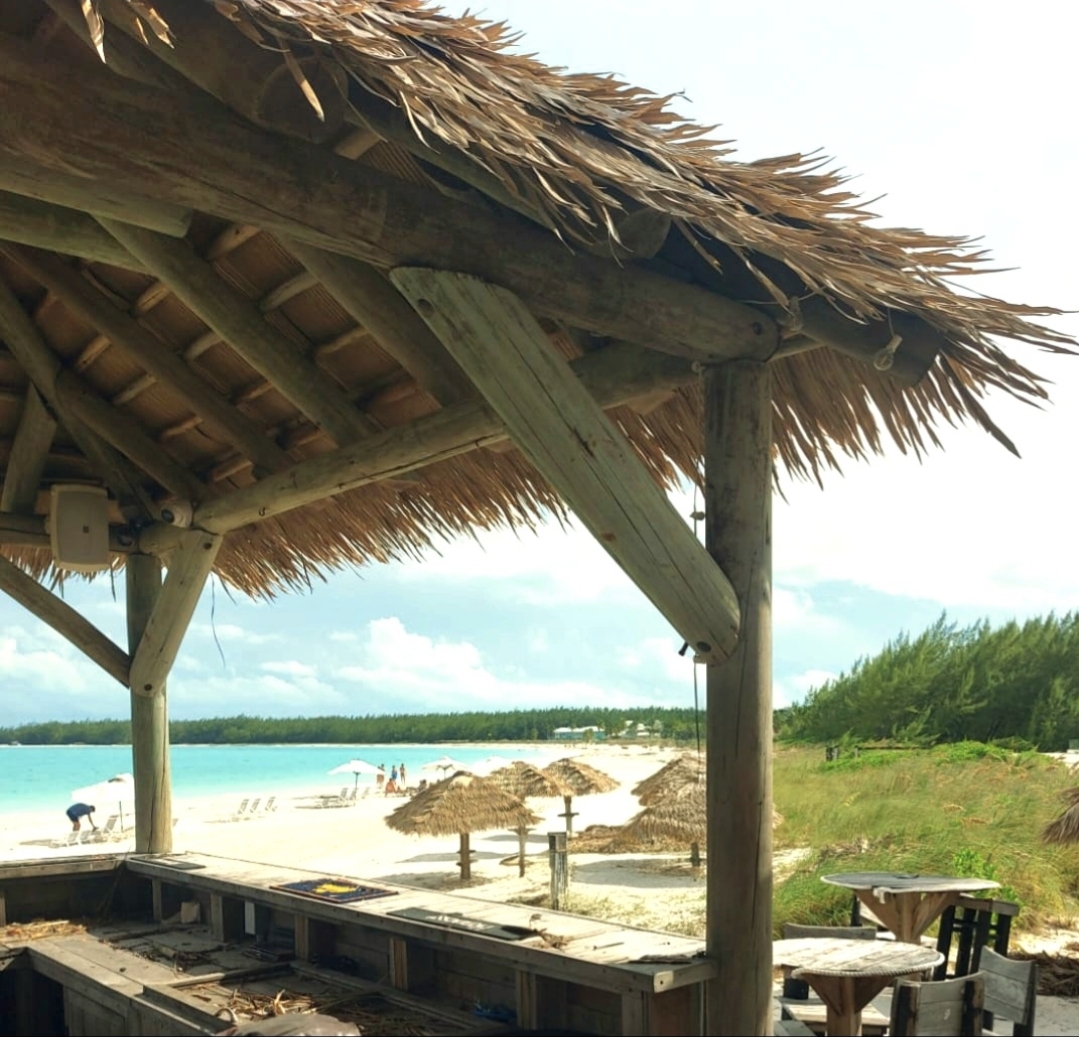
Turn inspiration into specific choices
Collect a small set of reference images and describe what matters in each. Is it the roof’s overall outline, the texture, the lower edge, the color relationship with the walls, or the exposed framing? Separating these elements helps prevent a supplier and designer from interpreting the same image differently.
Identify the most important viewing distances. Guests approaching from a path see the entire roof. Someone seated beneath it sees connections, framing, and lighting. A person on an upper balcony may see ridges and roof intersections that are hidden from the ground.
Use those viewpoints to set the review process. A material close-up is useful, but the final choice should also be assessed as part of a roof and as part of the surrounding architecture.
Review samples under realistic conditions
Request a sample representative of the exact product being considered. Keep its identification with it, including the supplier’s description and any relevant variation. If more than one option is reviewed, label them clearly rather than relying on memory or a photograph filename.
Look at the sample in daylight and under the lighting planned for the space. Compare it with nearby finishes such as timber, stone, painted surfaces, and furnishings. A color that looks restrained on its own can appear different beside a strong wall color or under warm lighting.
Screens and printed images are useful for narrowing choices, but they should not be the sole basis for final color approval. Record who approves the physical sample and where that reference will be kept during procurement and installation.
Build a representative mockup
Ask the supplier and installer what sample arrangement will meaningfully show the proposed system. A mockup should follow the applicable installation guidance rather than use arbitrary overlap to create a preferred photograph.
Include several courses, a typical lower edge, and a portion of the supporting arrangement when practical. If the project has a highly visible ridge or corner, review that detail too. The purpose is to evaluate how components meet, not merely to display a large area of material.
View the mockup from the intended distance and angle. Note the approved appearance and any unresolved points before ordering. If the arrangement changes later, record the revision instead of treating the original approval as permission for a different result.
Make the roofline part of the design
Review elevations or a simple model showing the roof against its surroundings. Consider the relationship between the eave, building height, entry, and neighboring roofs. The overall shape may contribute more to the tropical character than a close-up of the surface.
A long uninterrupted roof, a compact pavilion, and a roof with multiple changes in direction need different visual reviews. Discuss where ridges, corners, and intersections fall in the guest’s view and ask how they will be finished.
Avoid solving an appearance concern by changing technical requirements casually. A preferred silhouette still needs a roof slope, support system, and detail set appropriate to the product and project. Bring the designer and installer into that conversation early.
Design the underside deliberately
For open structures, the underside is a ceiling that guests will see throughout their visit. Decide what should be visible and what should be concealed. Coordinate the roof support layout with lights, fans, speakers, and wiring before those items are installed independently.
Supply Scout’s NIPA page illustrates different underside arrangements. Treat those photographs as references for a discussion, not as interchangeable construction details. Confirm which arrangement is appropriate and available for the exact roof being specified.
If decorative bamboo or eucalyptus is part of the concept, coordinate its role with the roof designer. Appearance alone does not establish load capacity or suitability as a support. Keep decorative finishes and structural requirements clear in the drawings.
Check the evening appearance
Review lighting from seated eye level as well as standing height. A fitting that highlights the texture attractively may also expose cables or create glare when viewed from a dining chair. Ask the lighting designer to consider those viewpoints.
A hypothetical pool bar might use a softer lighting effect over seating and brighter task lighting at the service counter. Review both in the same mockup so the transition feels intentional. This is a design exercise, not a claim about a particular installed project.
Keep service access in the plan. The team should be able to explain how a fixture will be maintained without improvising an opening through the finished roof or decorative ceiling.
Record an approval the whole team can use
The final approval should identify the product, reference sample, relevant drawing revision, visible edge treatment, and any mockup decisions. Include photographs taken from the agreed viewpoints and note which details remain subject to technical coordination.
Share that record with purchasing and the installer. Before accepting a substitute or a revised arrangement, compare it against the same criteria. This keeps the design decision connected to the material that arrives and the roof that gets built.
Share your design references with Supply Scout to discuss NIPA samples and the details worth reviewing before you commit.